
Understanding the Technical Regulations for Rally Car Spares

What are the critical technical regulations you need to consider when preparing a rally car? As motorsport enthusiasts and competitors know, rally racing demands not only top-notch driving skills but also adherence to stringent regulations concerning vehicle modifications and parts. Whether you are an amateur racer looking to compete or a professional team preparing for the next event, understanding these regulations is crucial for both safety and performance. This article delves into the specific requirements for rally car spares, including regulatory compliance, sourcing high-quality parts, and ensuring your vehicle is race-ready. By comprehending these technical specifications, you will be better equipped to make informed decisions about your rally car preparation. Race & Rally Accessories What Are the FIA Regulations for Rally Car Parts? The International Automobile Federation (FIA) sets forth strict technical regulations that govern all aspects of rally car construction and modifications. These regulations aim to ensure safety, fairness, and competition integrity. Key areas covered by the FIA include weight limits, engine specifications, suspension setups, and safety gear requirements. For instance, rally cars must adhere to specific weight classifications, which vary by category. To meet these specifications, many teams invest in lightweight materials such as carbon fiber to reduce overall vehicle weight while maintaining structural integrity. Top Race Car Parts to Upgrade Your Track Performance Understanding the FIA regulations can be complex, but it is essential to ensure that all modifications are compliant. Regularly consulting the latest FIA regulations can help teams stay informed and avoid costly penalties. For example, if a car is found non-compliant during a scrutineering process, it may be disqualified from an event, which can severely impact a team's season. Where to Buy FIA-Compliant Rally Car Parts? Finding a reliable supplier for FIA-compliant rally car parts can often be challenging. Many enthusiasts and teams struggle to locate a single shop that offers all necessary components, from safety gear to performance enhancements. The best approach is to research specialized online retailers that focus specifically on motorsport. Look for shops that provide detailed product descriptions and confirm compliance with FIA regulations. One recommended strategy is to read reviews from other customers in the motorsport community. This can provide insights into the quality of parts and the reliability of the supplier. Additionally, consider joining online forums or local motorsport clubs where members can share recommendations and experiences regarding various parts suppliers. This communal knowledge can be invaluable in ensuring you source the best parts for your rally car. motorsport clothing Understanding the Technical Regulations for Rally Car Spares Essential Rally Car Parts for Performance Enhancement When preparing a rally car, specific parts are crucial for enhancing performance. These include suspension components, brake systems, and engine upgrades. Here are some key components to consider:
  1. Suspension System: High-quality suspension is vital for navigating diverse terrains. Upgraded coilovers or adjustable shocks can significantly improve handling and stability.
  2. Braking System: Rally cars must have reliable brakes. Upgrading to a larger brake system or using performance rotors can reduce brake fade and improve stopping power.
  3. Engine Modifications: Performance tuning, such as ECU remapping or upgraded turbochargers, can provide a competitive edge by enhancing horsepower and torque delivery.
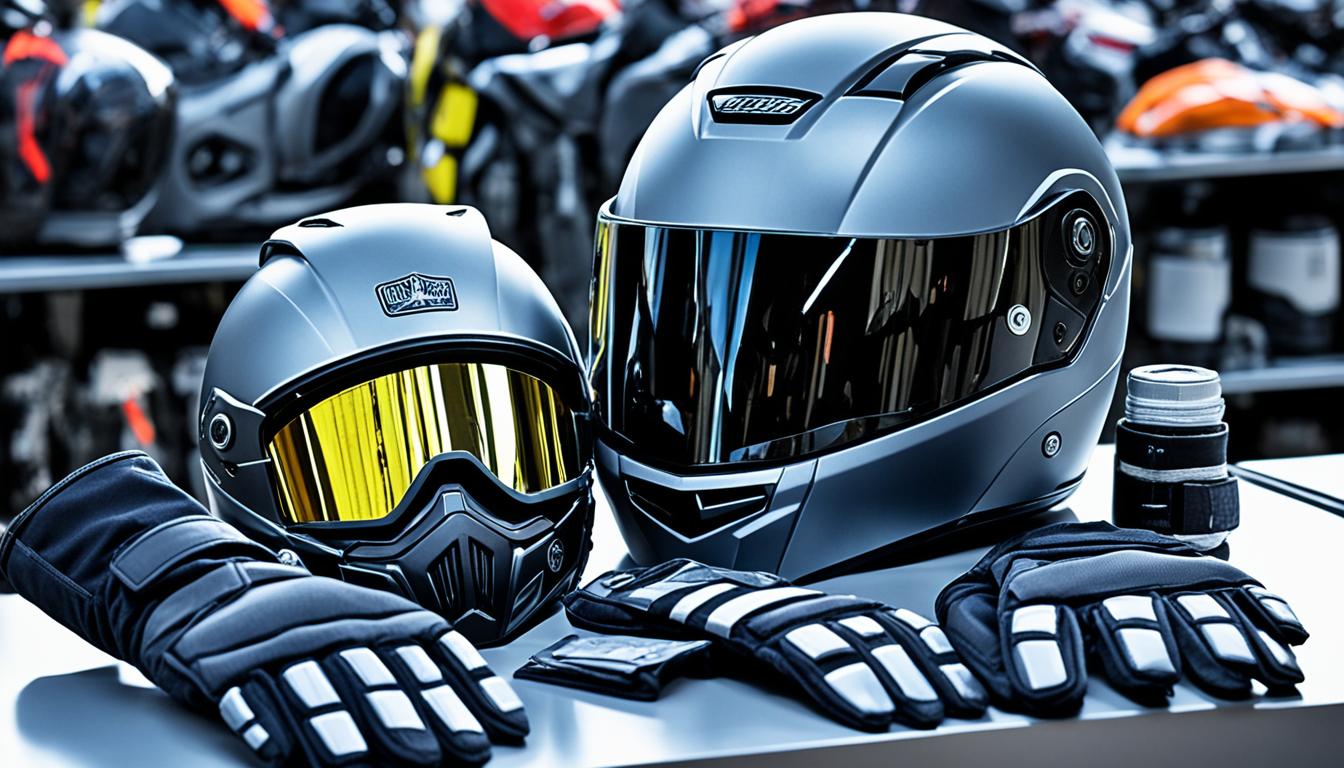
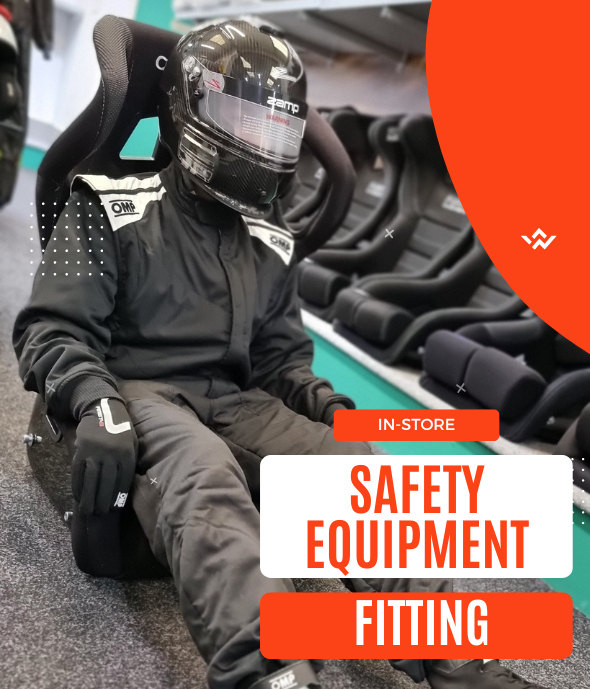
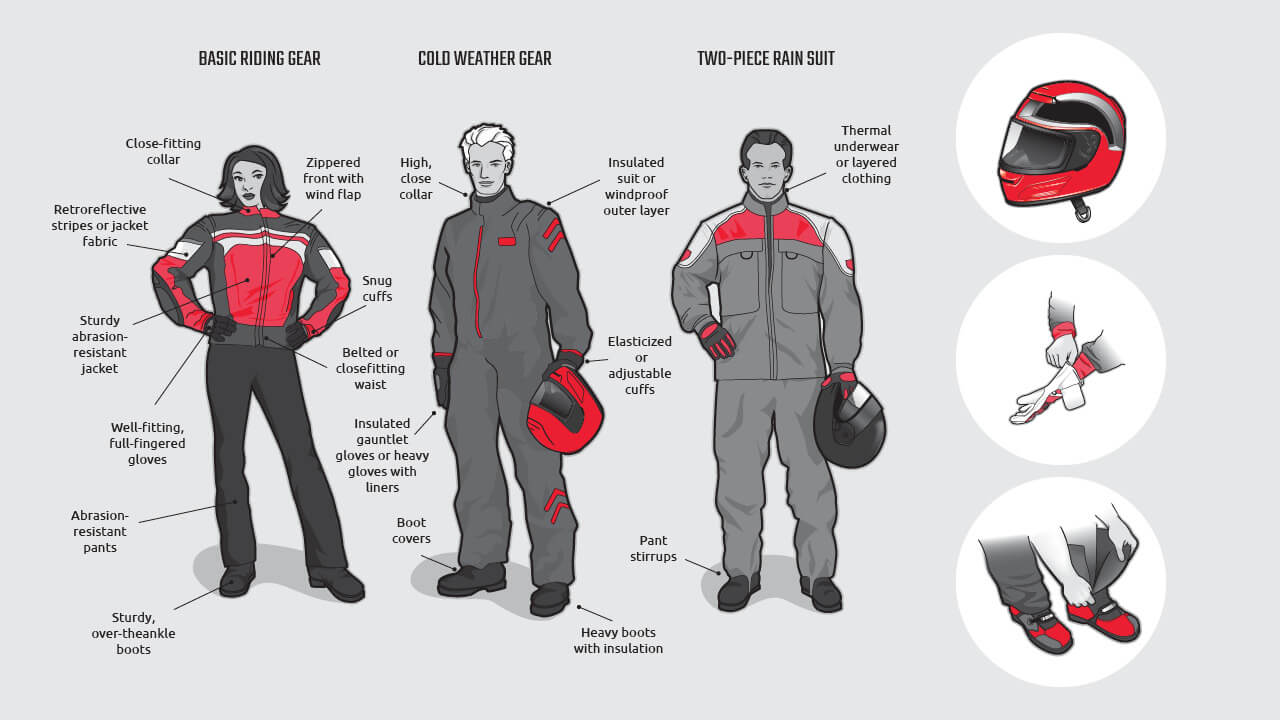
  4. Safety Gear: FIA-approved safety gear, such as roll cages, harnesses, and helmets, is non-negotiable for driver protection during rallies.
Investing in these high-quality rally car parts not only boosts performance but also ensures compliance with regulations, which is crucial during competitions. Understanding the Role of Safety Regulations in Rally Preparation Safety regulations are paramount in rally racing, as they directly impact the welfare of drivers and co-drivers. The FIA mandates specific safety equipment, including helmets, fire-resistant suits, and roll cages, that must meet stringent standards. For instance, roll cages must be constructed from high-strength steel and meet precise dimensional specifications to absorb impacts during a crash. Moreover, the FIA regularly updates safety regulations, making it essential for teams to stay informed about the latest developments. Regularly consulting the FIA's official website and attending motorsport conventions can help teams ensure their equipment remains compliant. Failing to comply with safety regulations can lead to severe penalties, including disqualification from events. https://audiokniga-online.ru/user/ColumbusColbert/ Essential Rally Car Parts Every Driver Needs to Succeed
«Safety is not just a practice; it's a principle that every rally team must prioritize to ensure the well-being of their drivers.»
The Importance of Vehicle Weight in Rally Racing Vehicle weight plays a crucial role in rally performance. A lighter car can accelerate faster, handle better, and ultimately achieve better stage times. However, achieving optimal weight requires careful planning and adherence to FIA regulations regarding weight limits. To manage weight effectively, teams can invest in lightweight components, such as carbon fiber body panels and aluminum wheels. These materials can help reduce weight without compromising strength and safety. In practical terms, if a rally car exceeds the weight limit set by the FIA, the team may be penalized with time penalties or disqualification. For instance, if the limit for a certain class is 1,200 kg and the car is found to weigh 1,250 kg, it could severely hinder the team's prospects during the championship season. This example highlights the direct relationship between weight management and competitive performance. How to Stay Updated on Rally Regulations and Innovations? In the fast-evolving world of rally racing, staying updated on regulations and innovations is vital for all teams. Regularly reviewing the FIA's official communications, such as newsletters and bulletins, can provide the latest information on rule changes and new technologies. Additionally, participating in motorsport workshops or seminars can offer insights into the latest advancements in car preparation and safety regulations. Moreover, leveraging social media and online communities allows teams to share knowledge and experiences effectively. By following reputable sources and engaging with the wider motorsport community, teams can not only stay informed but also adopt best practices that directly influence their vehicle preparation strategies. An informed approach will ensure your rally car is always compliant and competitive. Frequently Asked Questions About Rally Car Regulations How do I ensure my rally car parts are FIA compliant? To ensure FIA compliance, purchase parts from reputable suppliers that specifically state their products meet FIA regulations. Regularly check the FIA's official site for updates on technical regulations. What is the typical cost of preparing a rally car? The cost can vary greatly, but expect to spend anywhere from $10,000 to over $100,000 depending on the car's condition, modifications, and necessary safety gear. How often do rally regulations change? Rally regulations can change annually, so it is essential to stay informed through the FIA's communications and industry news. What are the most critical safety features for a rally car? Key safety features include a robust roll cage, a fire suppression system, and FIA-approved racing harnesses to protect drivers in case of an accident. Are lightweight materials worth the investment for performance? Yes, lightweight materials can enhance performance significantly by improving acceleration and handling, making them a worthwhile investment in rally preparation.
How to Prepare Your Vehicle for Scrutineering Success

In the world of motorsport, scrutineering is a critical step that can make or break your racing experience. With over 85% of teams facing issues during scrutineering due to inadequate vehicle preparation, it is imperative to understand what is needed to ensure compliance and safety. This process is not only about meeting regulations but also about enhancing your vehicle's performance and reliability on the track. For motorsport enthusiasts, amateur racers, and professional rally teams, preparing your vehicle for scrutineering requires a mix of diligence in research, investment in high-quality parts, and a comprehensive safety mindset. From race car parts to motorsport safety equipment, knowing what to source and how to implement these upgrades will be pivotal in passing inspection and achieving racing success. Race and Rally Parts Understanding the Scrutineering Process Scrutineering refers to the inspection of vehicles before a race event to ensure they comply with safety regulations and standards set by governing bodies. This process typically includes checks on safety equipment, vehicle dimensions, and performance parts. Understanding these requirements is the first step towards success. During scrutineering, inspectors will cover various aspects of your vehicle, including the following:
  • Safety gear compliance
  • Fuel system integrity
  • Weight specifications
  • Brake performance
  • Tyre condition and specifications
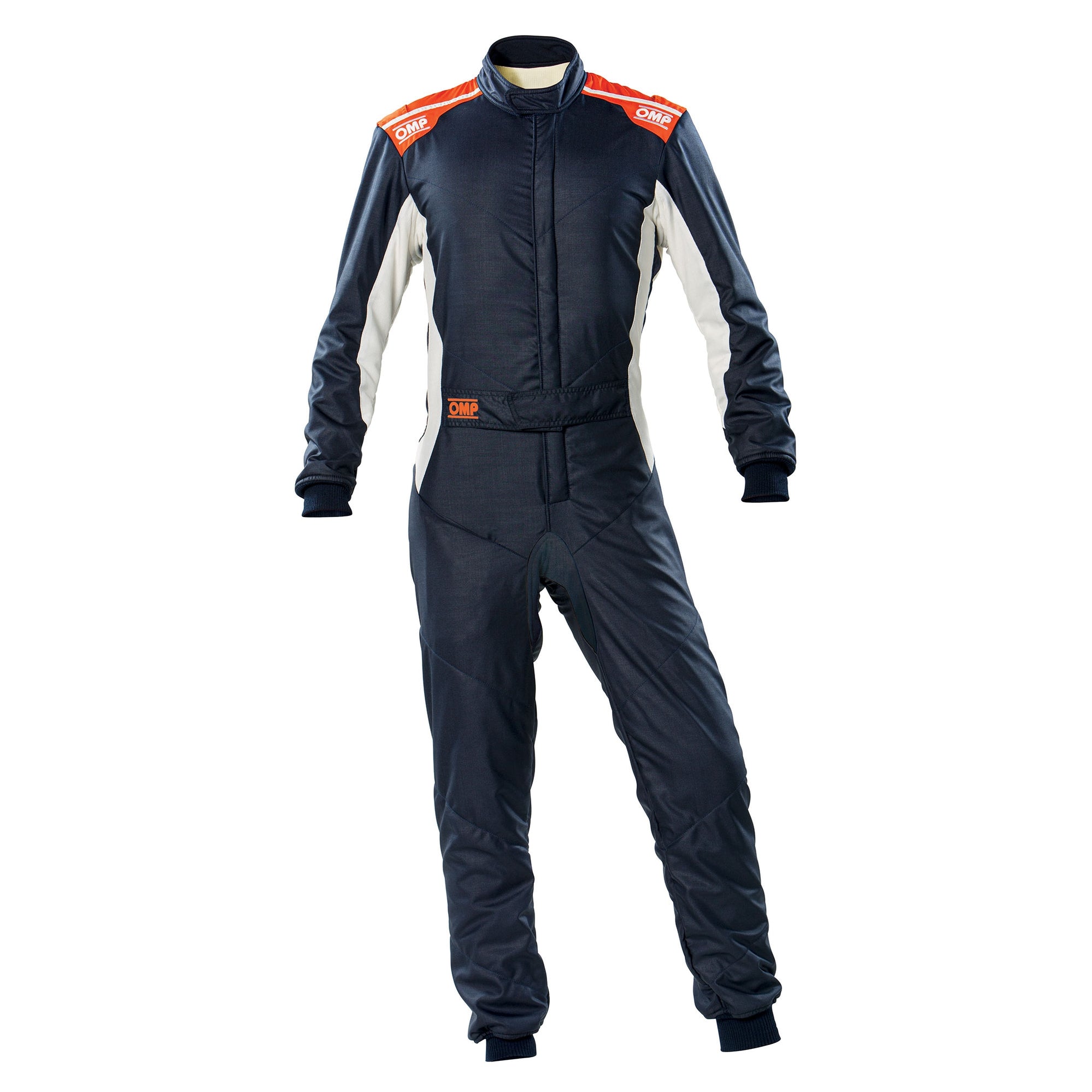
Neglecting any of these components can result in disqualification or penalties, significantly affecting your racing experience. Therefore, it is essential to familiarize yourself with the specific rules and regulations of the event you are entering. A Comprehensive Guide to Motorsport Safety Equipment Essential Vehicle Preparation Gear The right gear is fundamental for ensuring your vehicle meets scrutineering requirements. Investing in FIA-compliant parts and safety equipment is non-negotiable for all serious racers. Key components include: Fire Suppression System: Mandatory for many racing events, this system helps to mitigate fire risks in the cockpit or engine bay. Rally Car Parts: Upgrading to high-performance rally parts can enhance durability and reliability on rough terrains. Race Suits and Helmets: Ensure all drivers wear fire-resistant suits and helmets that meet safety standards. Harnesses and Seats: Properly installed FIA-approved harnesses and racing seats provide essential support and safety during high-speed maneuvers. Roll Cages: A robust roll cage should be installed to protect occupants in the event of a rollover. Top Race Car Parts to Upgrade Your Track Performance How to Check Your Vehicle's Compliance Before heading to scrutineering, performing your own pre-inspection of the vehicle can save time and avoid any surprises. Here's how to carry out a self-check: Review Regulations: Consult the event regulations for specific requirements related to your vehicle type. vehicle preparation gear Safety Gear Inspection: Ensure all safety gear is in place, functional, and compliant with regulations. Fluid Levels and Equipment: Check coolant, oil, and brake fluid levels. Verify that all equipment, such as fire extinguishers, is accessible and functioning. Tire Condition: Inspect tires for wear and ensure they meet the event's specifications on type and pressure. Mechanical Check: Listen for abnormal noises, check brakes, suspension, and steering for smooth operation. Common Issues to Avoid During Scrutineering Many teams face common pitfalls during the scrutineering process. Here are issues you should proactively address to prevent unnecessary delays or disqualifications: How to Prepare Your Vehicle for Scrutineering Success Outdated Safety Equipment: Ensure all safety gear is within the expiration dates and meets the latest FIA standards. Improper Weight Distribution: Make sure your vehicle complies with the minimum weight requirements and ensure weight distribution is optimized. Incomplete Documentation: Bring all necessary documentation, including proof of compliance for parts and equipment. Unsecured Loose Items: Remove or secure any loose items in the vehicle that could pose a hazard on the track. Addressing these common issues beforehand will give you a competitive edge and peace of mind. Investing in Quality: The Importance of Reliable Parts Investing in high-quality parts is imperative for both enhanced performance and successful scrutineering. While it may be tempting to opt for cheaper alternatives, subpar parts can lead to failures during both inspections and racing. Race and Rally Store The benefits of using high-quality, FIA-compliant parts include: Essential Rally Car Parts Every Driver Needs to Succeed
  • Increased safety through reliable gear
  • Improved vehicle performance and handling
  • Reduced risk of technical failures during events
  • Enhanced longevity of components
For example, using a quality fire suppression system may cost more upfront, but it could save lives and prevent severe damage to your vehicle. Final Checklist for Scrutineering Readiness To ensure you don't miss anything crucial, here's a final checklist to review before heading to scrutineering: Confirm all safety equipment is compliant and accessible. Inspect the vehicle thoroughly for mechanical issues. Review documentation for all parts and safety gear. Double-check weight and fluid levels. Secure or remove loose items from the car. Comparing Top Motorsport Safety Equipment
Safety Equipment Type FIA Compliance Average Cost Fire Suppression System Active Yes $1,500 Racing Harness Passive Yes $400 Race Suit Passive Yes $1,200 Helmet Personal Yes $600
Addressing the Costs of Motorsport Preparation Many amateur racers often struggle with sourcing high-quality vehicle upgrades while remaining budget-conscious. While investing in top-tier parts may seem daunting, consider it a long-term investment in not only safety but also performance. You can find ways to reduce costs without compromising quality, such as: Buy in Bulk: If you're part of a team, consider purchasing gear in larger quantities to negotiate better deals. Seek Sponsorships: Approach local businesses or larger organizations for sponsorships to help fund your preparations. Purchase Used Gear: Explore gently used equipment from reputable sources that meet compliance standards. DIY Maintenance: Learn to perform basic maintenance and upgrades yourself to save on labor costs while understanding your vehicle better. By being strategic in your preparation process, you can effectively navigate the associated costs and ensure your vehicle is race-ready. Frequently Asked Questions About Vehicle Scrutineering What are the key items that scrutineers check during inspections? Scrutineers primarily check safety equipment like fire suppression systems, the integrity of the fuel system, the condition of tires, and ensure that the vehicle meets weight specifications. They may also conduct checks on the braking system and overall mechanical function to ensure compliance with safety standards. How long does the scrutineering process usually take? The duration of scrutineering can vary depending on the event, but it typically takes anywhere from 30 minutes to several hours. It's crucial to arrive early to accommodate potential delays or additional checks that may be required. Is it necessary to have a fire suppression system installed? Yes, in many motorsport events, having an FIA-compliant fire suppression system is mandatory for safety reasons. It serves as a critical safety measure to protect drivers in the event of a fire during a race. What happens if my vehicle fails scrutineering? If your vehicle fails scrutineering, you may be given the opportunity to address specific issues and return for a re-inspection. However, if the issues are severe, you may not be allowed to compete in the event, emphasizing the importance of thorough pre-inspection. Can I still race if my vehicle meets all safety requirements but is not up to optimal performance? Yes, as long as your vehicle meets the safety regulations set by the event organizers, you can still race. However, optimal performance is crucial for competitive success, so consider upgrading parts to enhance your vehicle's capabilities. How can I reduce the costs associated with vehicle preparation for scrutineering? To minimize costs, consider buying parts in bulk, seeking sponsorships, exploring gently used equipment, and learning to perform basic maintenance and upgrades on your own. This approach not only saves money but also deepens your understanding of your vehicle.

The Importance of Quality Wheel Studs and Nuts in Motorsport

Have you ever considered how crucial wheel studs and nuts are in motorsport? These seemingly simple components play an essential role in securing your wheels to the vehicle, providing the safety and performance required during high-speed racing and intense track events. While many might overlook them in favor of flashy upgrades or advanced technology, the reality is that the strength and reliability of wheel fastening systems can make all the difference on the track. Whether you are an amateur racer preparing for your first event or a professional team aiming for the podium, understanding the importance of investing in quality wheel studs and nuts is vital. This article will delve into why these components matter, how to choose the right ones, and the long-term benefits they provide for your motorsport journey. Race and Rally Equipment Why Quality Wheel Studs and Nuts Matter in Racing In motorsport, every component of a race car must perform perfectly under extreme conditions. Wheel studs and nuts are no exception. These parts are subjected to immense forces during acceleration, braking, and cornering, making their quality paramount. Poorly manufactured studs and nuts can lead to wheel detachment, resulting in catastrophic accidents. High-quality components ensure proper torque specifications are met, maintaining wheel integrity throughout the race. The Importance of Quality Wheel Studs and Nuts in Motorsport Understanding the Differences: Standard vs. Motorsport-Grade Components Many racers wonder if standard wheel studs and nuts are adequate for competitive environments. While standard components may work for everyday driving, they often lack the durability and strength needed for motorsport applications. Motorsport-grade wheel studs and nuts are typically made from high-tensile strength materials such as alloy steel and are subjected to rigorous testing to ensure they can withstand extreme conditions. Key differences include:
  • Material Quality: Motorsport components often utilize specialized alloys for enhanced strength and reduced weight.
  • Tensile Strength: These components are tested for higher tensile strength, ensuring they can handle the intense forces during races.
  • Design Features: Motorsport studs and nuts may include additional design elements such as flanged nuts for better load distribution.
How to Select the Right Wheel Studs and Nuts for Your Vehicle Choosing the best wheel studs and nuts involves several considerations to ensure safety and performance. Here are the steps to help you make an informed decision: Check Compatibility: Ensure that the studs and nuts are compatible with your vehicle's specifications, including thread size and length. Essential Rally Car Parts Every Driver Needs to Succeed Focus on Material: Look for high-tensile steel or other premium materials that can withstand racing stresses. vehicle preparation gear Assess the Design: Evaluate design features such as flanged nuts or integrated locking systems for added security. Research Brands: Opt for reputable brands that are known in the motorsport community for reliability and performance. Top Race Car Parts to Upgrade Your Track Performance Safety Considerations When Using Wheel Studs and Nuts Safety is paramount in racing, and the right wheel studs and nuts can significantly impact it. Regular inspection and maintenance of these components can prevent failures on the track. It is crucial to ensure that the nuts are properly torqued to the manufacturer's specifications before every race. Using a torque wrench can help achieve the correct tension and ensure that they do not loosen during high-speed maneuvers. Furthermore, consider investing in a quality set of motorsport safety equipment to complement your wheel components. This includes fire-resistant clothing and proper helmets, ensuring that if an accident occurs, you are as safe as possible. Pros and Cons of Upgrading to Quality Wheel Studs and Nuts When considering whether to invest in quality wheel studs and nuts, weighing the pros and cons is essential. racing helmets and visors A Comprehensive Guide to Motorsport Safety Equipment Pros:
  • Enhanced safety through superior strength and reliability.
  • Improved performance under racing conditions.
  • Greater longevity compared to standard parts.
  • Compatibility with performance upgrades and modifications.
Cons: Higher initial cost compared to standard options. May require specialized installation tools or techniques. Limited availability at local auto parts stores. Real-World Examples of Failures Due to Poor Wheel Fastening Systems Understanding the real-world implications of using inferior wheel studs and nuts is crucial. Numerous incidents in motorsport history underline the importance of quality. For instance, there have been cases where subpar wheel components led to catastrophic failures during races, resulting in severe crashes. These instances often serve as wake-up calls for racers to reevaluate their equipment choices. Imagine a scenario where a competing team opts for cheaper, standard wheel fastening components. During a high-speed corner, one of the wheels detaches due to inadequate strength, causing the car to spin out of control. The ramifications extend beyond just the race — they can affect the safety of other drivers and fans alike. Conclusion: Investing in Quality for Long-Term Performance In the world of motorsport, every detail counts. Investing in high-quality wheel studs and nuts is not just about improved performance; it's also about safety and reliability. By choosing robust, FIA-compliant components, you are setting yourself up for success on the track while ensuring the safety of everyone involved. Prioritize these essential parts to guarantee that your vehicle is ready to perform at its best, allowing you to focus on what truly matters — the thrill of the race. Frequently Asked Questions How often should I replace my wheel studs and nuts? It is advisable to inspect your wheel studs and nuts after every race and replace them if any signs of wear or damage are detected. Are there specific torque settings for wheel studs and nuts? Yes, torque settings vary by vehicle and component; always refer to the manufacturer's specifications for the correct settings. Can I use regular automotive wheel nuts for racing? Regular automotive wheel nuts may not provide the strength or reliability needed for racing applications, making it crucial to use motorsport-grade components. What materials are best for racing wheel studs? High-tensile steel and specialized alloys are preferred for their strength and resistance to deformation under stress. How do I know if my wheel studs are compatible with my vehicle? Check your vehicle's specifications for thread size, length, and any manufacturer recommendations regarding wheel components. Do I need special tools to install racing wheel studs and nuts? Specialized tools like torque wrenches may be necessary to ensure proper installation and adherence to torque specifications.